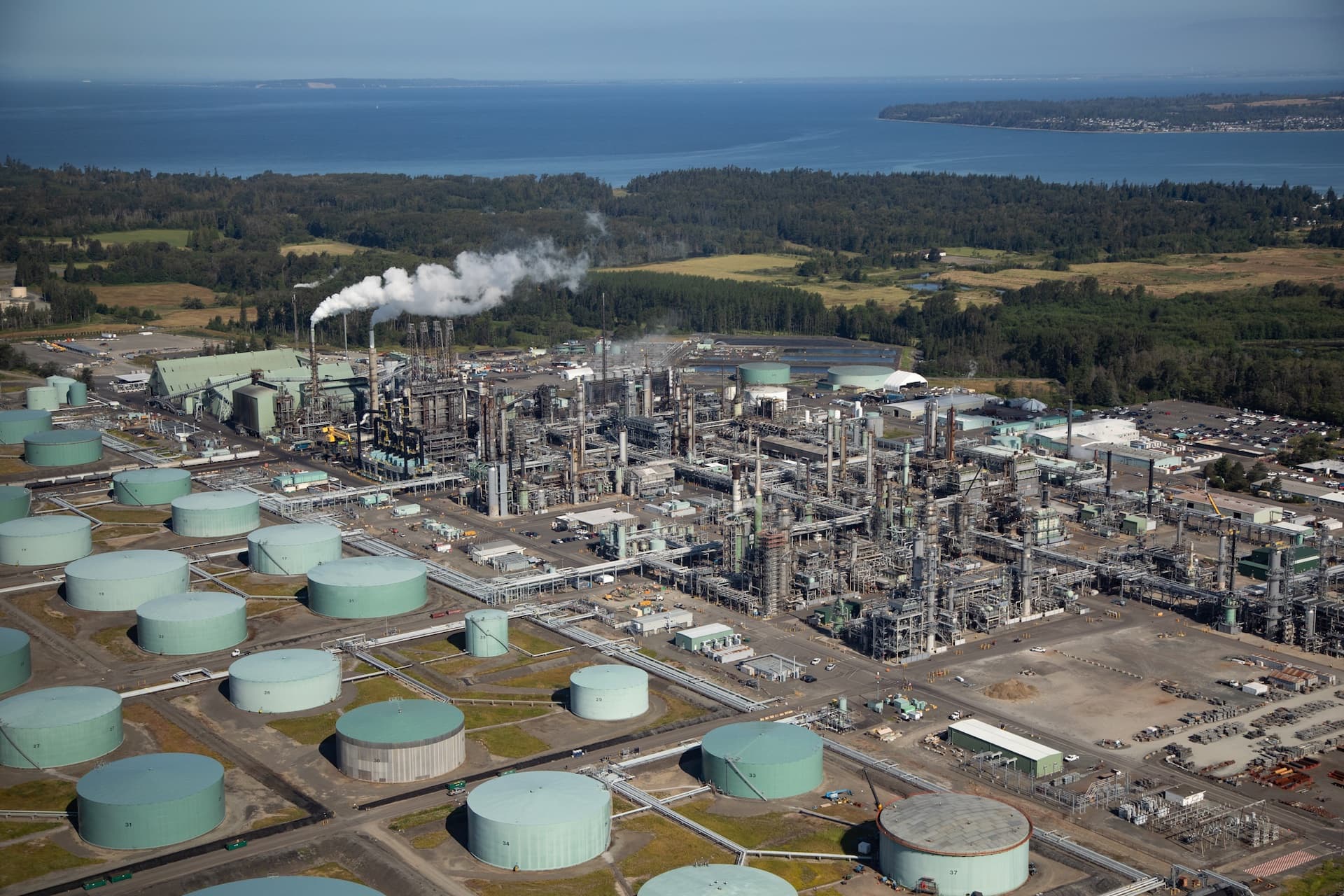
ASTs | USTs | Process Tanks | Day Tanks | Mixing Vessels
Storage Tank Repair and Protection
Internal linings, external protection, and structural repair for storage tanks. Cold-applied systems eliminate hot work permits and fire risk in hazardous environments.
Tank Corrosion Challenges
Storage tanks face corrosion from two directions. Internal surfaces are exposed to the stored product — fuels, chemicals, water, or process fluids — while external surfaces face weathering, condensation at the tank base, and soil contact for buried sections.
Traditional repair methods involve welding and hot work, which require extensive safety procedures in facilities storing flammable materials. Tank removal for shop repair means extended downtime and lost capacity. Replacement costs continue to rise.
Belzona cold-applied systems repair and protect tanks in place without hot work permits, fire watch, or confined space welding. Internal linings resist chemical attack and abrasion. External coatings stop weathering corrosion. Composite repairs restore structural integrity to corroded shells.
HIGH-TEMPERATURE SERVICE
Tanks Operating at Elevated Temperatures
Many process tanks operate at temperatures that exceed the limits of standard repair materials. Hot oil systems, heated chemical storage, and process vessels require specialized high-temperature products.
Belzona offers a complete range of high-temperature repair composites and coatings for tanks operating up to 210°C (410°F). These products allow in-place repairs that would otherwise require cooling the tank and waiting days for traditional approaches.
High-temperature products:
- 1511 (Super HT-Metal): Repair composite for surfaces up to 160°C (320°F)
- 1593 (HTS): High-temperature spray coating for protection up to 160°C (320°F)
- 1391T: Ceramic coating for immersion up to 130°C (266°F), steaming out to 210°C (410°F)
High-Temperature Repair Benefits
- No cooling the tank to ambient temperature
- Cold-applied — no hot work permits required
- No fire risk in flammable environments
- Faster return to service — days, not weeks
Immersion Resistance
- Crude oil and refined petroleum products
- Sulfuric acid and hydrochloric acid
- Sodium hydroxide (caustic soda)
- Methanol, ethanol, and solvents
- Seawater and brine solutions
- Potable water (NSF 61 certified options)
Internal Tank Repair and Lining
Products for rebuilding corroded internals and protecting against chemical attack, abrasion, and immersion service.
Super Metal
Multi-purpose repair composite for rebuilding corroded tank internals including baffles, welds, and pitted surfaces.
Service temp: -40°C to 60°C (-40°F to 140°F)
Application: Trowel, hand-applied paste
Super UW-Metal
Underwater and wet-surface tolerant repair composite. Ideal for tanks that cannot be fully drained or dried.
Service temp: -40°C to 50°C (-40°F to 122°F)
Application: Hand-applied, wet surfaces
Immersion Grade
Solvent-free epoxy coating for internal tank linings. Resists a wide range of chemicals in full immersion service.
Service temp: Up to 50°C (122°F) immersed
Application: Brush, roller, or spray
Magma CR5
Static dissipative lining for tanks storing flammable liquids. Prevents static buildup that can cause ignition.
Static dissipative: meets NFPA requirements
Application: Brush, roller, trowel
SuperWrap II
ISO 24817 and ASME PCC-2 compliant composite wrap for reinforcing corroded tank shells from inside or outside.
Certified: ISO 24817 / ASME PCC-2
Application: Wrapped reinforcement layers
Lining Repair
Repair damaged fiberglass, rubber, or existing epoxy linings without full re-lining. Spot repairs extend service life.
Products: Matched to existing lining
Application: Depends on lining type
External Tank Protection
Products for protecting external surfaces from weathering, tank base corrosion, and structural repair of corroded shells.
Ceramic Cladding
Two-coat epoxy system for long-term external corrosion protection. Resists UV, weathering, and salt spray.
Coverage: 151 ft²/L
Cold Bonding
Bond reinforcing plates, brackets, and attachments without welding. Eliminates hot work in tank farms.
No hot work required
Flexible Membrane
Breathable, flexible coating for tank bases and chime areas where moisture becomes trapped under the tank.
Allows moisture vapor escape
SuperWrap II
Structural reinforcement for corroded tank shells. Restores design pressure rating without tank removal.
ISO 24817 / ASME PCC-2
Common Applications
Fuel Storage Tanks
Internal linings and external protection for diesel, gasoline, and fuel oil ASTs
Chemical Storage
Chemical-resistant linings matched to specific stored products
Water Tanks
Potable water approved linings and corrosion protection
Tank Bottom Repair
Rebuild corroded floor plates and protect against underside corrosion
Floating Roof Seals
Repair and protect seal systems on floating roof tanks
Nozzle and Manway Repair
Rebuild corroded flanges and sealing surfaces
Case Study
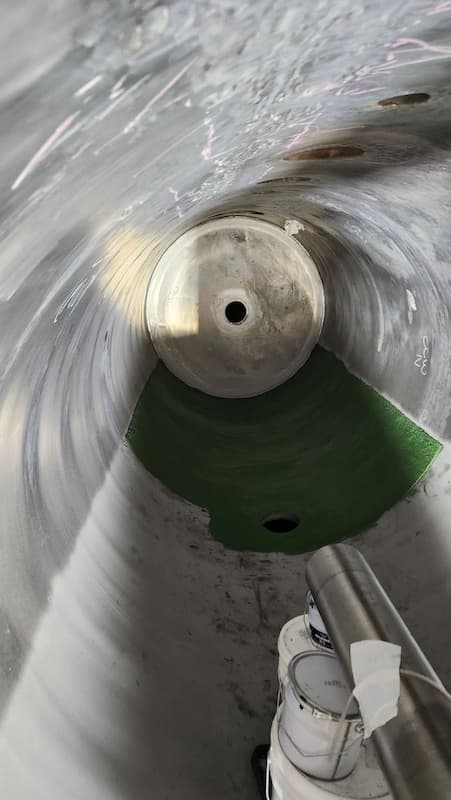
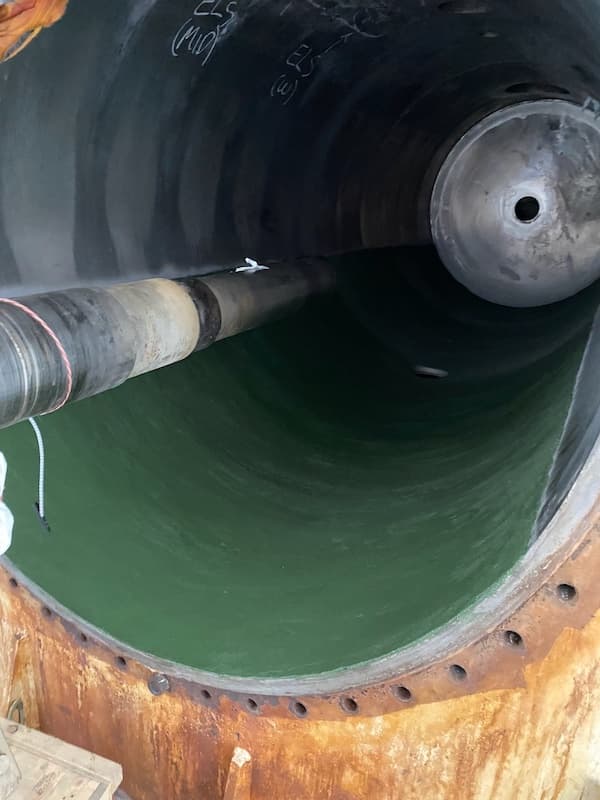
High-Temperature Vessel Repair — Moses Lake, WA
A leading chip manufacturer in Moses Lake was experiencing severe corrosion inside a high-temperature process vessel. The aggressive environment had caused deep pitting and erosion of the stainless steel substrate, threatening production capacity. With only a 7-day outage window, the facility needed a solution that could be applied, cured, and returned to service within that timeframe.
Belzona Technology Northwest Technical Consultant Jerry Fuller provided the recommendation and on-site support. Belzona 1813 (Super HT) was selected for its high-temperature resistance and ability to rebuild the pitted and eroded surfaces. The repair was completed in 3 days, leaving sufficient cure time to return the vessel to full service within the 7-day outage.
Industries We Serve
Oil and Gas
Crude storage, refined products, tank farms
Water/Wastewater
Potable water, process water, treatment tanks
Chemical Processing
Acid, caustic, solvent storage
Pulp and Paper
Black liquor, white liquor, chemical storage
Marine
Ballast tanks, fuel tanks, cargo holds
Food and Beverage
Process tanks, ingredient storage, washdown areas
Frequently Asked Questions
How long does a tank lining last?
Belzona epoxy linings typically last 10-20 years depending on the stored product, temperature, and application quality. Proper surface preparation is the most critical factor in lining longevity.
Can you repair a tank without taking it out of service?
Yes, for some repairs. External repairs and some internal work can be done with tanks partially in service. Full re-lining requires emptying and cleaning the tank, but the repair is done in place — no transport to a shop.
What causes tank lining failure?
The most common causes are inadequate surface preparation, chemical incompatibility with the stored product, temperature exceeding the lining rating, and mechanical damage from cleaning or internal equipment.
How do I know if my tank needs relining vs spot repair?
If damage is localized to a few areas and the surrounding lining has good adhesion, spot repair is usually sufficient. Widespread blistering, delamination, or lining that predates good adhesion testing typically requires full relining.
Can you line a tank that stores flammable materials?
Yes. Belzona products are cold-applied — no welding, no hot work, no ignition sources. This eliminates fire risk during application. Belzona 4351 is also static dissipative for tanks where static buildup is a concern.
Are Belzona linings approved for potable water?
Yes. Several Belzona products are NSF/ANSI 61 certified for contact with potable water and are used in municipal water storage tanks throughout the Pacific Northwest.
How do you repair a tank that cannot be fully drained?
Belzona 1161 (Super UW-Metal) is designed for underwater and wet-surface application. It cures in the presence of water and bonds to wet substrates, allowing repairs without complete dewatering.
What is the difference between epoxy and rubber linings?
Epoxy linings are rigid, chemically resistant, and bond directly to the substrate. Rubber linings are flexible and better for abrasion resistance but require vulcanization. Belzona epoxy systems offer chemical resistance with easier application.
Storage Tank Repair Without Hot Work
Describe your tank problem — corrosion, leaks, lining failure, or protection needs — and we will recommend a cold-applied solution. Product supply, technical support, and applicator training throughout Washington, Oregon, Alaska, and Northern Idaho.
Belzona Technology Northwest is the exclusive authorized Belzona distributor for Washington, Oregon, Alaska, and Northern Idaho. Storage tank repair, internal linings, and external protection systems for industrial facilities throughout the Pacific Northwest.